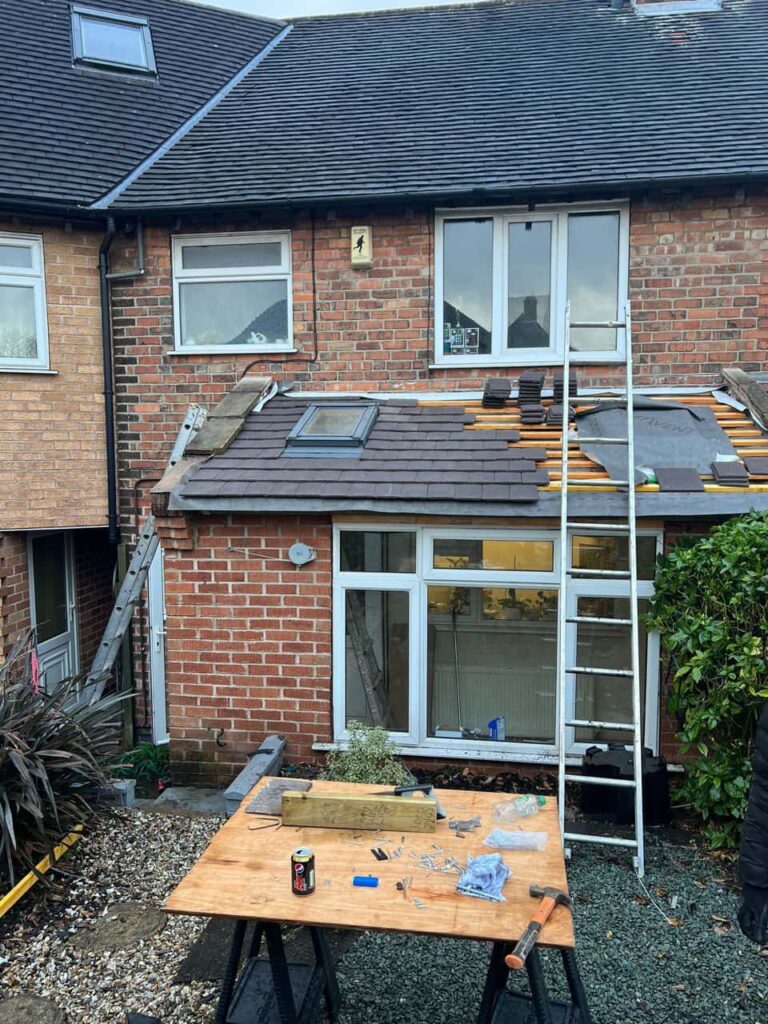
A roof repair should resolve the problem it was designed to address. However, leaks, slipping materials and damp patches can sometimes return after work has been completed. This does not necessarily mean that the same repair has failed; the roof may contain another defect producing similar symptoms.
For homeowners in Horley, Surrey, recurring roofing problems usually indicate that the visible damage is only part of the issue. A thorough assessment is needed to identify how the roof covering, underlay, battens, fixings and junctions are working together.
Common Reasons Roof Problems Return After Repairs
A lasting repair depends on finding the underlying cause rather than treating only the most obvious symptom. Water can travel through a roof before becoming visible indoors, making accurate diagnosis particularly important.
The Original Source Was Misidentified
An internal damp patch does not always appear directly beneath the point where rain enters. Water may travel along underlay, battens or roof timbers before reaching the ceiling.
Replacing the tile above the stain will not solve the problem if the actual defect is further up the slope or around a nearby junction. Professional leak detection considers the possible route of the water as well as the location of the visible damage.
Only the Visible Damage Was Repaired
A cracked tile or loose section of flashing may be easy to identify, but surrounding components can also be affected. Moisture may already have damaged the underlay, battens or adjacent materials.
If the surface defect is repaired while hidden deterioration remains, the symptoms may return during the next period of prolonged rain. The surrounding area should therefore be inspected whenever a localised repair is completed.
More Than One Defect Is Present
A roof can have several points of water entry. Repairing one fault may reduce the severity of the leak without eliminating it completely.
Multiple defects are more likely where roofing materials have deteriorated generally or several vulnerable junctions are ageing at the same time. A wider assessment can determine whether the problem is truly isolated.
The Underlay Has Deteriorated
Underlay provides secondary protection beneath tiles and slates. Over time, it can tear, sag or become brittle.
Replacing damaged tiles will not restore a weakened underlay beneath them. Rain entering through another small opening may still reach the roof space, causing a leak to appear as though it has returned.
Battens or Fixings Are Failing
Tiles depend on battens and fixings for secure support. If these components have weakened, replacement tiles may not remain stable.
Repeated slipping in the same section can indicate deteriorated battens, while movement across several areas may suggest a more general fixing problem. The support beneath the covering must be sound if the repair is to remain dependable.
Flashing and Roof Junctions Remain Vulnerable
Chimneys, valleys, abutments, roof windows and penetrations contain joints that must direct water away effectively. A defect in one of these areas can produce dampness even when the main roof covering is intact.
Temporary sealing may not provide a lasting result if the flashing has split, lifted or been fitted incorrectly. The junction may need to be opened and reconstructed appropriately.
The Repair Did Not Match the Existing Roof
Roofing materials must be compatible with the surrounding covering and installed according to the roof’s construction. An incorrectly sized tile, unsuitable fixing method or poorly formed overlap can leave gaps.
A repair may look acceptable from ground level while failing to shed water correctly. Careful integration with the existing materials is essential.
Drainage Problems Were Overlooked
Blocked gutters, outlets and valleys can cause water to back up beneath roof edges or overflow onto adjoining materials. Repairing a nearby tile will not correct this drainage problem.
Standing debris can also slow water movement and expose joints to greater volumes of rain. Drainage routes should be included in the investigation when leaks recur during heavy or prolonged rainfall.
Structural Movement Is Affecting the Covering
Movement within the roof structure can cause tiles, slates and flashing to shift after they have been repaired. Warning signs may include repeated cracking, uneven rooflines and gaps returning around the same junction.
Surface repairs are unlikely to remain effective until the reason for the movement has been identified.
Weather Conditions Expose Different Weaknesses
A repair may appear successful during light, vertical rainfall but leak when wind drives water beneath overlaps. Prolonged rain can also reveal defects that brief showers do not.
Noting when the problem occurs can help with diagnosis. Wind direction, rainfall intensity and the time taken for dampness to appear may all provide useful clues.
The Roof Is Deteriorating Across Several Areas
A localised repair is appropriate when the surrounding roof remains serviceable. If leaks, slipped tiles and worn junctions keep appearing in different places, the deterioration may be more widespread.
Continually repairing individual symptoms can become unreliable when underlay, battens, fixings and covering materials are all declining. A professional assessment can establish whether targeted repairs remain practical or whether more comprehensive work should be considered.
Condensation Is Being Mistaken for a Leak
Not every damp roof space is caused by rain. Condensation can develop when warm, moisture-laden air meets cold roofing surfaces.
This may create wet timbers, damp insulation or ceiling marks that resemble a recurring leak. Repeating external repairs will not resolve an internal moisture problem, so the source of the dampness must be identified accurately.
What a Thorough Assessment Should Examine
When roofing problems return, an inspection should consider:
- the history and location of previous repairs
- tiles, slates and their overlaps
- underlay, battens and fixings where accessible
- flashing, valleys and roof junctions
- chimneys and roof penetrations
- drainage routes
- visible signs of structural movement
- the pattern of internal dampness
This broader approach helps distinguish a failed repair from a separate or more extensive defect.
Conclusion
Roofing problems often return because the original source was misidentified, hidden damage remained or several defects were present. Deteriorated underlay, weak battens, failed junctions and drainage problems can all produce recurring symptoms even after visible damage has been repaired.
If your roof in Horley, Surrey continues to develop leaks or other faults, Horley Roofing Repairs can assess the wider roofing system and identify the underlying cause. Contact the team to arrange a professional inspection and discuss an appropriate repair.
Call us on: 01293 222 197
Click here to find out more about Horley Roofing Repairs
Click here to complete our contact form and see how we can help with your roofing needs.